

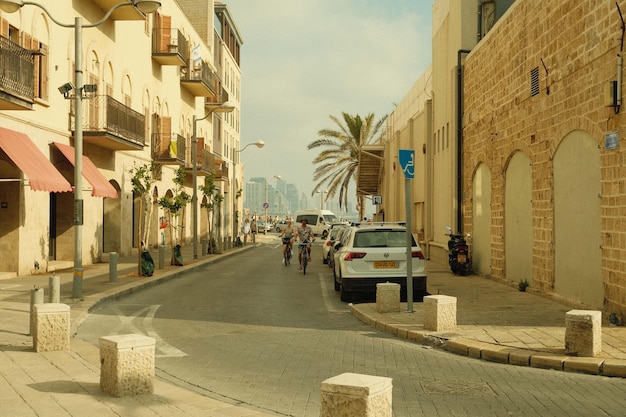
the Timeless Heritage of the UAE’s Historic Heart
Dubai old city stands as a captivating testament to the emirate’s humble beginnings, where traditional architecture and cultural roots intertwine with the sands of time. Once a modest fishing and trading village along Dubai Creek, this historic enclave offers visitors a profound glimpse into the authentic soul of Dubai, far removed from the gleaming skyscrapers of its modern skyline.
Introduction to Dubai Old City
The essence of Dubai old city lies in its preserved historic districts, such as Al Fahidi Historical Neighbourhood (formerly Bastakiya) and Al Shindagha Historic District. These areas showcase vernacular architecture influenced by Islamic designs, local materials, and environmental adaptations dating back to the late 19th century. Narrow alleyways, wind towers, and coral-stone structures whisper stories of pearl divers, traders, and Bedouin settlers who shaped Dubai’s identity before oil wealth transformed it into a global hub.
Exploring Dubai old city means stepping into a living museum where simplicity meets ingenuity. Traditional buildings were crafted for the harsh desert climate, prioritizing functionality, durability, and passive cooling. Today, these sites attract history enthusiasts, architecture lovers, and cultural travelers seeking an antidote to Dubai’s futuristic allure.
Historical Evolution of Dubai Old City
Dubai’s history traces back thousands of years, with early settlements like Al Ain exporting goods through ports near Abu Dhabi. By the 19th century, Dubai emerged as a key trading post along the creek, drawing merchants from Persia, India, and beyond. The relocation of the Al Maktoum tribe from Abu Dhabi in 1833 marked a pivotal moment, leading to the construction of the oldest extant building, Al Fahidi Fort, for defense against rival tribes.
In the early 20th century, Dubai Creek buzzed with dhows laden with spices, textiles, and pearls. The area’s development maintained its commercial character, with souqs and mosques forming the urban core. Sheikh Rashid bin Saeed Al Maktoum’s 1959 town plan introduced modern ambitions, yet preserved the historic fabric amid rapid growth.
Key Milestones in Dubai’s Past
- 1833: Al Maktoum family settles, establishing Dubai as an independent sheikhdom.
- Late 19th Century: Boom in pearling industry fuels construction of traditional homes and watchtowers.
- 1959: First town plan commissions low-rise buildings blending shadow-cooling facades with modernity.
- 1960s-1970s: Oil discovery accelerates transformation, but heritage sites like Al Fahidi are protected.
Al Fahidi Historical Neighbourhood: The Crown Jewel
Al Fahidi Historical Neighbourhood, nestled near Dubai Creek, embodies the spirit of old Dubai. Formerly known as Bastakiya after Persian settlers from Bastak, this district features over 30 restored traditional houses. Its narrow lanes, designed to provide shade and airflow, lead to the Dubai Museum housed in Al Fahidi Fort—the city’s oldest structure, built in 1787 from coral blocks and gypsum mortar.
Wind towers (barjeels) dominate the skyline, funneling breezes into courtyards for natural ventilation. These towering structures, made from sandstone, teak, gypsum, palm wood, and sandalwood, highlight the ingenuity of pre-air-conditioned life. Today, Al Fahidi hosts art galleries, cafes, and cultural centers, blending heritage with contemporary vibes.
Highlights of Al Fahidi
- Dubai Museum: Exhibits artifacts from prehistoric times to modern Dubai, including pearl-diving tools and Bedouin jewelry.
- Traditional Houses: Multi-story homes with intricate lattice screens (mashrabiya) for privacy and cooling.
- Sheikh Saeed Al Maktoum House: A 1896 pearl merchant’s residence turned museum, showcasing rare photos and stamps.
Al Shindagha Historic District: Guardians of Tradition
Across the creek, Al Shindagha Historic District preserves Dubai’s maritime heritage. Home to the Al Shindagha Museum, it features structures from the late 19th century influenced by Islamic motifs, regional practices, and social customs. Materials like coral stone, gypsum from salt marshes, and Indian-imported wood trunks defined its four pillars: watchtowers, mosques, souqs, and houses.
Coral stone walls, porous for passive thermal regulation, absorbed daytime heat and released it at night. Early builds used palm leaves and mud mortar, evolving to more durable coral rag. This district’s architecture emphasizes simplicity and climatic adaptation, with ornaments, doors, and windows shaping old Dubai’s urban fabric.
Architectural Marvels in Al Shindagha
- Watchtowers: Circular or square-based defenses varying in height, protecting against invasions.
- Mosques: Simple designs with minarets and geometric carvings, reflecting Islamic heritage.
- Souqs: Bustling markets for spices, gold, and textiles, evoking trading heyday.
Traditional Architecture: Materials and Techniques
Dubai old city’s architecture relied on local ingenuity. Coral stone from the Gulf, prized for its insulating properties, formed walls that stayed cool. Gypsum plaster sealed joints, while palm fronds (barasti) roofed early homes. Imported teak beams supported floors, and wind towers directed creek breezes indoors.
Designs prioritized privacy with high walls enclosing family courtyards. Latticework windows filtered light and air, preventing direct sun. This vernacular style, rooted in Persian and Islamic influences, ensured survival in 50°C summers without electricity.
Signature Elements
- Wind Towers (Barjeels): Multi-directional vents capturing sea breezes for evaporative cooling.
- Mashrabiya: Wooden screens offering ventilation and views while maintaining seclusion.
- Arish Homes: Pre-corals structures of palm thatch, quick to build and repair.
Cultural Significance and Daily Life
In Dubai old city, buildings were more than shelters—they mirrored social structures. Houses segregated majlis (guest areas) from harems, with mosques as community hearts. Souqs fostered trade and interaction, from Iranian textiles to Indian spices. Pearling seasons dictated rhythms, with divers living modestly amid wealth from Gulf oysters.
Festivals like the Al Fahidi Days celebrate this legacy with folk music, henna art, and camel races. Women artisans weave sadu textiles, preserving Bedouin crafts. These traditions underscore Dubai’s fusion of resilience and hospitality.
Exploring Dubai Old City: A Visitor’s Guide
Visiting Dubai old city is seamless via abra boats across the creek (1 AED rides). Start at Al Fahidi, wander souks, then abra to Al Shindagha. Best times: October-April for mild weather. Free entry to many sites; Dubai Museum costs 3 AED.
Tours include walking heritage paths or dhow cruises. Nearby, Textile Souk and Spice Souk add flavor. Dress modestly, especially in mosques.
Top Experiences
- Abra ride at sunset over the creek.
- Guided tour of wind towers’ engineering.
- Coffee in a restored courtyard cafe.
- Photo ops in labyrinthine alleys.
Preservation Efforts and Modern Relevance
Dubai’s government spearheads restoration, like Al Fahidi’s 1990s revival. The Dubai Culture agency maintains museums, ensuring authenticity. These efforts balance tourism with integrity, using original techniques.
Today, old city inspires sustainable design. Wind towers influence eco-skyscrapers, proving heritage’s role in modernity. As Dubai eyes 2040 visions, these districts anchor identity amid hyper-growth.
The Role of Souqs and Markets
Souqs defined Dubai old city’s economy. Deira Gold Souk, with 300+ shops, traces pearling fortunes. Spice Souk’s saffron piles evoke Silk Road trades. Perfume Souk sells oud and bakhoor, staples of Emirati life. Bargaining remains ritual, blending commerce with culture.
Must-Visit Markets
- Gold Souk: World’s largest, 40kg displays dazzling 22-carat purity.
- Spice Souk: Heaps of turmeric, cinnamon; learn blends for machboos.
- Textile Souk: Silks, abayas; haggle for authentic fabrics.
Religious Sites: Mosques of Old Dubai
Mosques punctuate the landscape. Al Shindagha’s humble prayer halls feature mihrabs and minbars. Iranian Mosque in Al Bada’a, with tilework and minarets, nods to Persian roots. Grand Mosque in Bur Dubai blends Sunni traditions with Mamluk echoes. Non-Muslims peek via tours.
From Past to Present: Dubai’s Transformation
Oil in 1966 catapulted Dubai, yet old city endured. Sheikh Rashid’s vision integrated heritage into progress—think creek developments housing banks. Today, metro links old to new, symbolizing continuity.
Practical Tips for Your Journey
- Timing: Early mornings avoid heat; evenings for abra lights.
- Attire: Cover shoulders/knees; women optional headscarf.
- Transport: Metro to Al Ghubaiba, then walk/abra.
- Eat: Try samosas, camel milk pudding in heritage eateries.
Why Dubai Old City Captivates Travelers
Beyond Instagram allure, it humanizes Dubai—raw, resilient, rooted. Families picnic in courtyards; elders share tales. It’s where global icons like Burj Khalifa find context in humble barjeels.
Conclusion
Dubai old city remains an enduring beacon, inviting all to explore its architectural marvels, vibrant souqs, and cultural depths. As a vital thread in the UAE’s tapestry, **Dubai old city** promises timeless stories amid the desert’s evolution, ensuring its legacy endures for generations.
Related Articles
- Al Khail Mall Dubai: Shopping & Entertainment Hub
- Sharjah City Centre: The Ultimate Shopping Destination in the UAE
- Find Delicious Restaurants Near Me in the UAE
- Dubai Expo City Draws Millions with Winter Wonderland
- Al Hosn Museum: A New Cultural Gem in Abu Dhabi
- UAE Unveils Vision for Sustainable Tourism